Jordan
Amman
Amman has been lived in for seven thousand years and was a town of a few thousand people a century ago. It became a capital in 1921 and has been climbing its hills ever since.
A short history
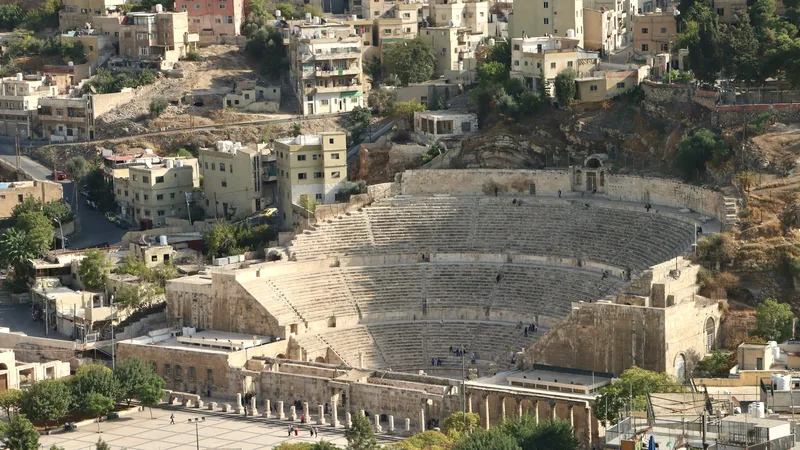
The most striking layer here is Roman. The Citadel crowns the highest hill downtown, and the Roman Theatre cut into the slope below it — built in the second century CE and seating six thousand — is still in use. What is unusual is how close all of it sits to ordinary life: the theatre is not fenced off in a park somewhere but sits in the middle of the downtown, with the modern city rising around it across what were seven hills and are now closer to twenty.
Why travellers love it
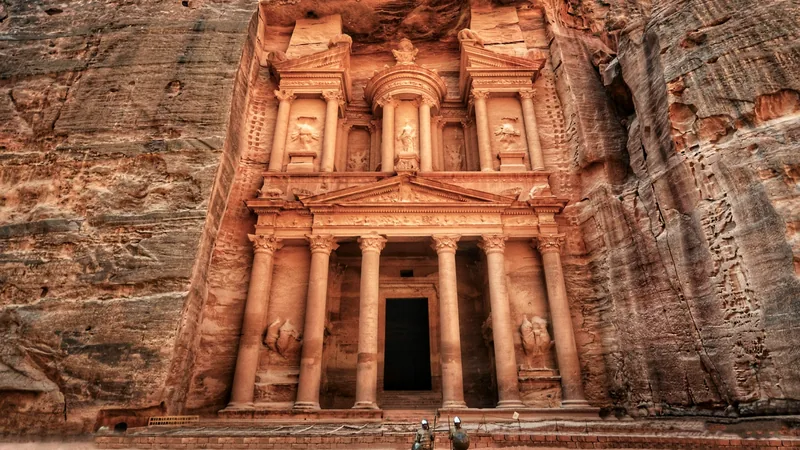
Entry is straightforward for many nationalities, and Amman is the easiest way to reach Petra — which is the real reason most people come. The city itself rewards a day or two: the downtown is walkable, the food is excellent, and prices are noticeably kinder than the region's average.
Before you go
Most visitors need a visa, available on arrival for many nationalities; if you are visiting Petra and staying a few nights, look at the Jordan Pass before you fly, since it bundles the visa fee with site entry and usually costs less than buying them separately. March to May and September to November are the comfortable months. Petra deserves a full day, not a half.
Highlights
- The Roman Theatre and the Citadel
- Rainbow Street
- A day trip to Petra
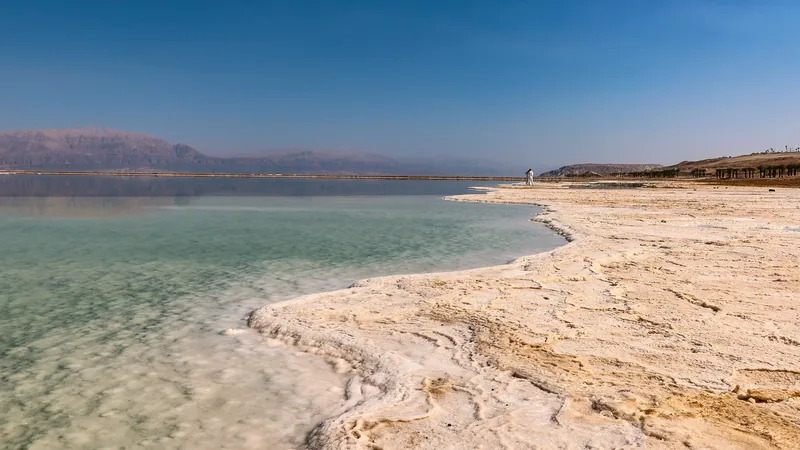
- Floating in the Dead Sea
Complete your trip
Two things worth sorting before you fly.
- Mobile data in JordanAn eSIM you set up before you fly, so you are online the moment you land. Via Airalo.(opens in a new tab)
- Things to do in AmmanTours, attraction tickets and airport transfers, booked ahead. Via Klook, in English.(opens in a new tab)
Partner links: we may earn a commission, at no extra cost to you. Affiliate Disclosure
Read next
Beirut, Lebanon
Beirut has been inhabited for more than five thousand years and sits on a Mediterranean coastline that shaped everything about it — the trade, the food, and the mix of languages you hear in a single café.