Malaysia
Kuala Lumpur
Kuala Lumpur means muddy confluence, which is exactly what it was: a tin-mining camp at the meeting of two rivers in 1857. Nothing about it was planned to become a capital.
A short history
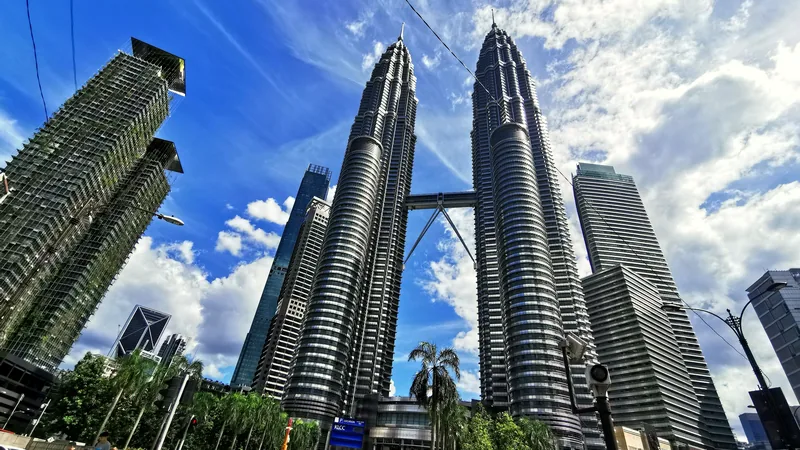
The city grew fast and unevenly out of that mining camp, shaped in turn by Chinese labour and commerce, Malay settlement and British colonial administration — and all three layers are still legible in a short walk. The Moorish-style Sultan Abdul Samad Building stands a few minutes from Chinatown's Petaling Street. The Petronas Towers, finished in 1998 and briefly the tallest buildings in the world, were the point at which the skyline stopped being a record of the past and became a statement about the future.
Why travellers love it
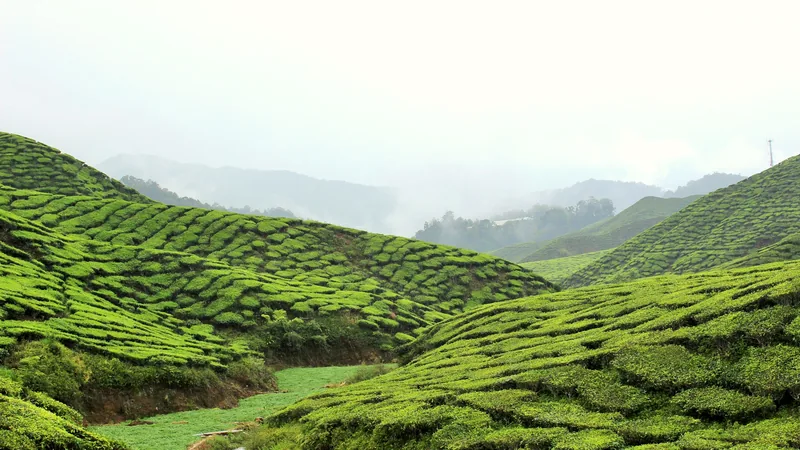
It is widely considered the most halal-friendly major city in Asia, which removes a whole category of planning from a family trip. It also works as a base: Langkawi's beaches and the tea hills of the Cameron Highlands are both easy additions rather than separate holidays.
Before you go
Malaysia is visa-free for many nationalities for short stays; check what applies to your passport. There is no dry season as such — it rains year-round, usually hard and briefly in the afternoon — but June to August is the driest stretch. The Cameron Highlands are three to four hours away by road and noticeably cooler, so pack a layer if you are going up.
Highlights
- The Petronas Towers skybridge
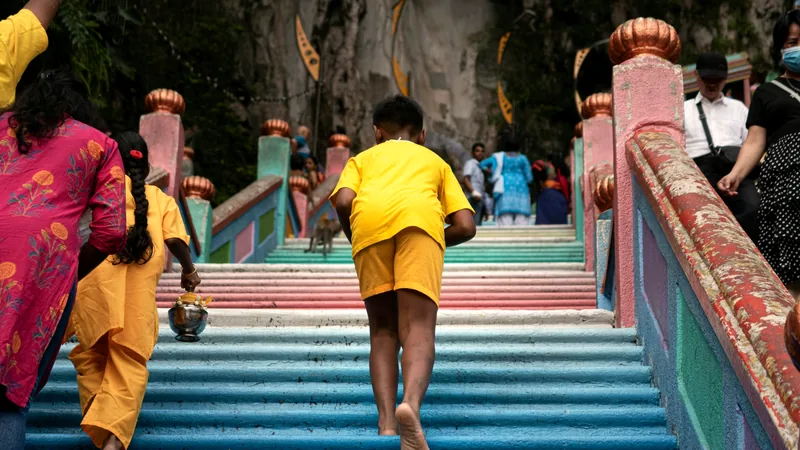
- Batu Caves
- Central Market and Chinatown
- A day in the Cameron Highlands
Complete your trip
Two things worth sorting before you fly.
- Mobile data in MalaysiaAn eSIM you set up before you fly, so you are online the moment you land. Via Airalo.(opens in a new tab)
- Things to do in Kuala LumpurTours, attraction tickets and airport transfers, booked ahead. Via Klook, in English.(opens in a new tab)
Partner links: we may earn a commission, at no extra cost to you. Affiliate Disclosure
Flights to Kuala Lumpur
Read next
Bali, Indonesia
Bali stayed Hindu while the islands around it turned to Islam, and eight centuries later that single fact still shapes the calendar, the architecture and the smell of every doorway in the morning.