Oman
Muscat
Muscat is the Gulf capital that decided not to build upwards. Its skyline is white, low and hemmed in by bare mountains, and the effect is a city that feels much older than its neighbours.
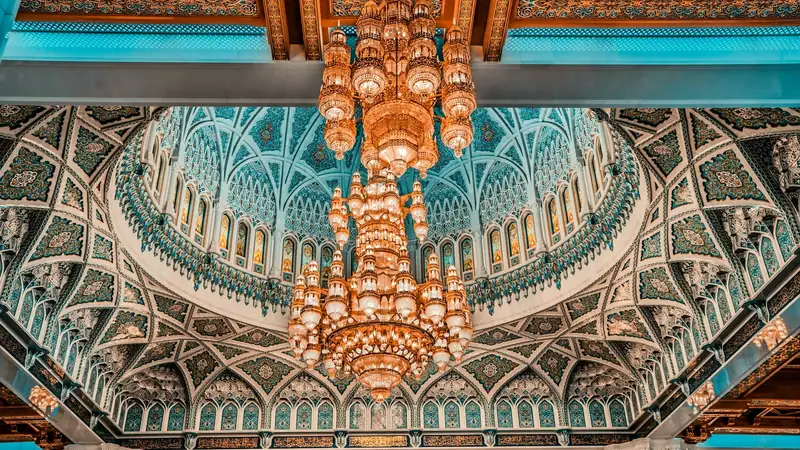
A short history
The forts of Al Jalali and Al Mirani have guarded Muscat's natural harbour since the 1580s, when Portugal held the port as a link in its Indian Ocean trade route; Omani forces retook it in 1650. What makes the city look the way it does now is a deliberate choice rather than an accident of history. From the modernisation drive that began in 1970, development was paired with heritage rules that kept the coastline low-rise and the old quarters intact — which is why Muscat reads as a place with a past rather than a place built last decade.
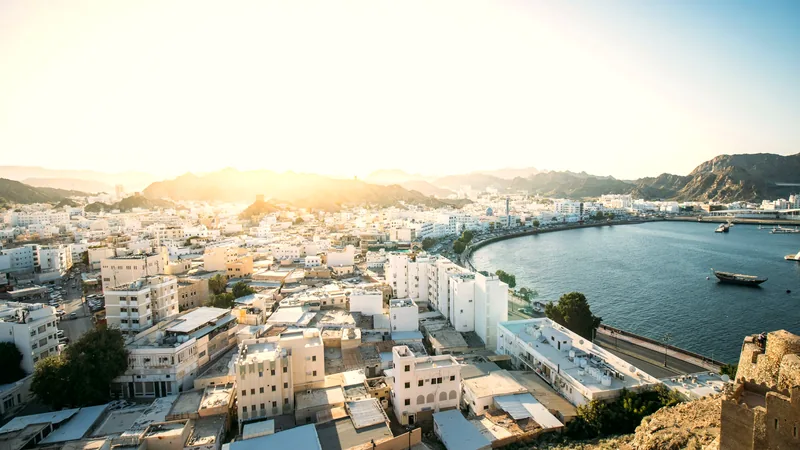
Why travellers love it
It lands you somewhere that looks nothing like where you left: mountains, wadis and desert within an easy drive, at a pace noticeably slower than the cities nearby. For a long weekend it asks very little of you and gives back a genuine change of scene.
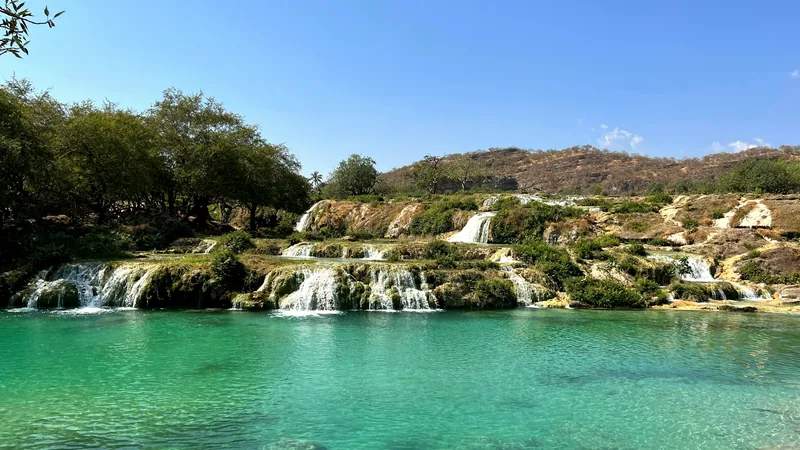
Before you go
Oman issues e-visas to many nationalities and waives the requirement for others, including short stays for several passports; check what applies to yours before booking. Come between October and April — summer here is severe, and the wadis are the whole point of the trip. Hiring a car is worth it: the best of Oman is an hour or two inland, and public transport does not go there.
Highlights
- Sultan Qaboos Grand Mosque
- Mutrah Souq and the Corniche
- The views from Al Jalali Fort
- A day trip to Wadi Shab
Complete your trip
Two things worth sorting before you fly.
- Mobile data in OmanAn eSIM you set up before you fly, so you are online the moment you land. Via Airalo.(opens in a new tab)
- Things to do in MuscatTours, attraction tickets and airport transfers, booked ahead. Via Klook, in English.(opens in a new tab)
Partner links: we may earn a commission, at no extra cost to you. Affiliate Disclosure
Read next
Doha, Qatar
Doha was a pearling port until the trade collapsed in the 1930s. Almost everything a visitor sees today was built after gas was found offshore in 1971 — which makes the restraint of the old souq more surprising, not less.