Thailand
Bangkok
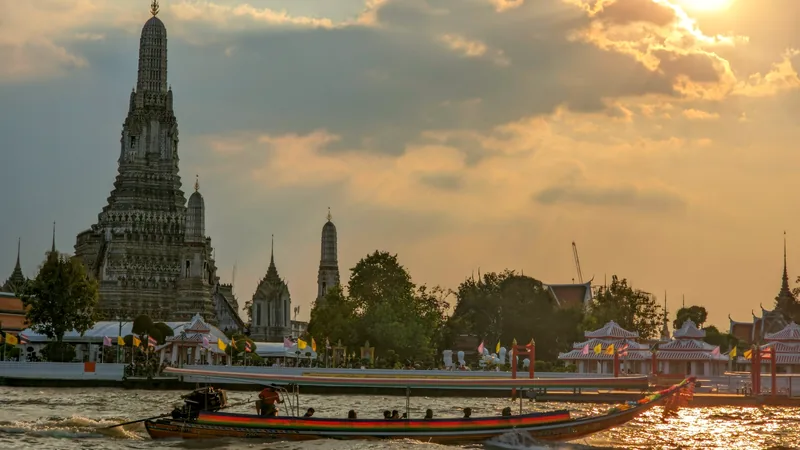
Bangkok was never colonised, and it shows. The temple architecture and the rituals around the monarchy survived intact into a city that then grew a skyline around them in a single generation.
A short history
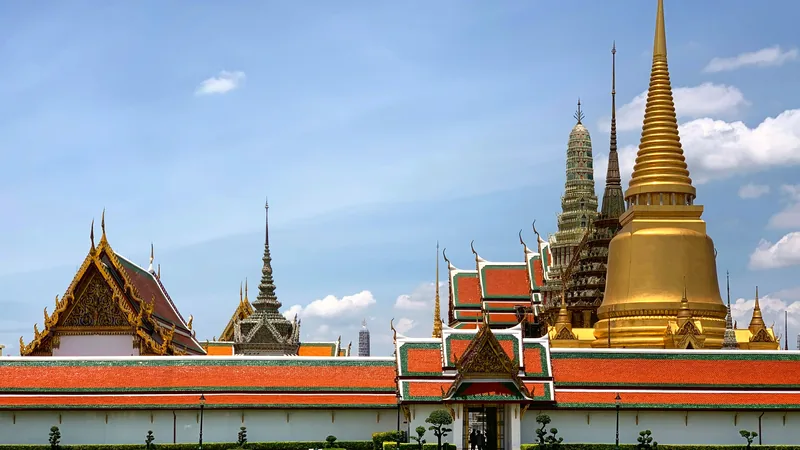
Bangkok became the capital in 1782, when King Rama I moved the seat of power across the Chao Phraya and began building the Grand Palace and Wat Phra Kaew to house the Emerald Buddha — a statue that had already changed hands between Thai, Lao and Cambodian kingdoms over centuries. Unlike almost every other capital in Southeast Asia, Thailand was never formally colonised, and the continuity shows in how completely the old religious city survives beside the towers that went up from the 1960s.
Why travellers love it
It is a six-hour flight to one of the widest halal food scenes in Southeast Asia, and one of the few cities where temples, serious shopping and a river worth travelling on all sit within the same day. Beaches and mountains are a short hop further if the city gets loud.
Before you go
Many nationalities enter Thailand visa-free for short stays and others can apply online; check your passport before booking. November to February is the cool dry window and the reason fares rise then. Use the river boats and the elevated trains rather than taxis — Bangkok traffic will otherwise decide your itinerary for you. Temples enforce a dress code: shoulders and knees covered, for everyone.
Highlights
- The Grand Palace and Wat Phra Kaew
- Wat Arun at sunset
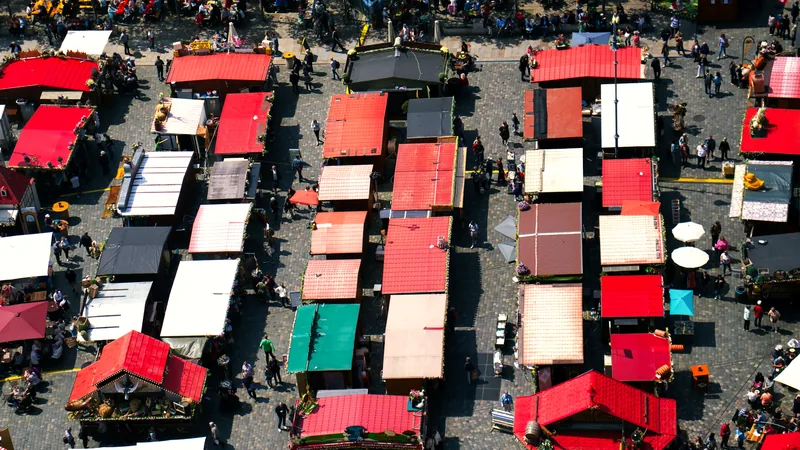
- Chatuchak weekend market
- A longtail boat along the river
Complete your trip
Two things worth sorting before you fly.
- Mobile data in ThailandAn eSIM you set up before you fly, so you are online the moment you land. Via Airalo.(opens in a new tab)
- Things to do in BangkokTours, attraction tickets and airport transfers, booked ahead. Via Klook, in English.(opens in a new tab)
Partner links: we may earn a commission, at no extra cost to you. Affiliate Disclosure
Flights to Bangkok
Read next
Kuala Lumpur, Malaysia
Kuala Lumpur means muddy confluence, which is exactly what it was: a tin-mining camp at the meeting of two rivers in 1857. Nothing about it was planned to become a capital.