Thailand
Phuket
Phuket was a tin island long before it was a beach one. The pastel shophouses of its old town were built on mining money, and they are the part of the island most visitors never see.
A short history
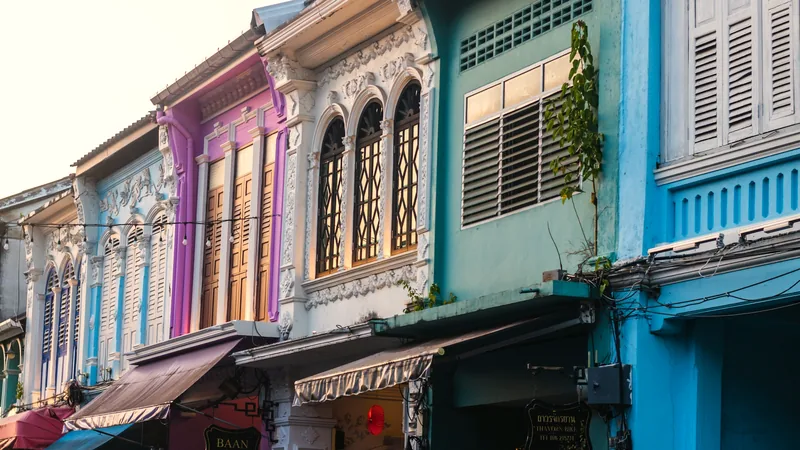
Tin drew Chinese immigrants from the seventeenth century onward, and the Sino-Portuguese shophouses of Phuket Old Town — pastel facades, covered five-foot walkways, shuttered upper floors — are the direct legacy of that boom and of the trade routes it opened to Malacca and Penang. Tourism only overtook mining as the island's main economy in the 1980s, which is recent enough that the older Phuket is still standing rather than reconstructed.
Why travellers love it
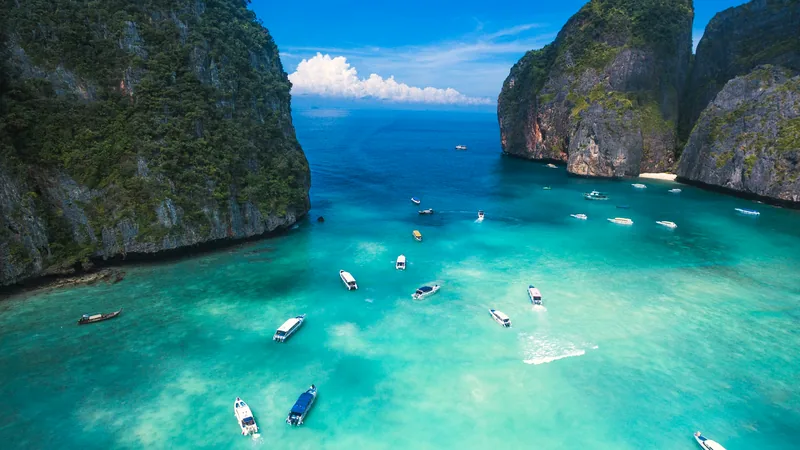
It is a dependable beach trip with direct or one-stop flights, warm water outside the monsoon, and a well-developed halal food scene in the tourist areas. The islands offshore are the real draw — Phi Phi and the limestone bays around it look the way the brochures suggest, which is not always true of famous places.
Before you go
Many nationalities enter Thailand visa-free for short stays; check your passport before booking. November to March is the dry season and the reason fares rise then; the monsoon months bring real rain and rougher seas, and some island boat trips stop entirely. Base yourself deliberately — the Old Town, Patong and the quieter southern beaches are three different holidays on one island.
Highlights
- The Sino-Portuguese Old Town
- A day trip to the Phi Phi islands
- Patong and Kata beaches
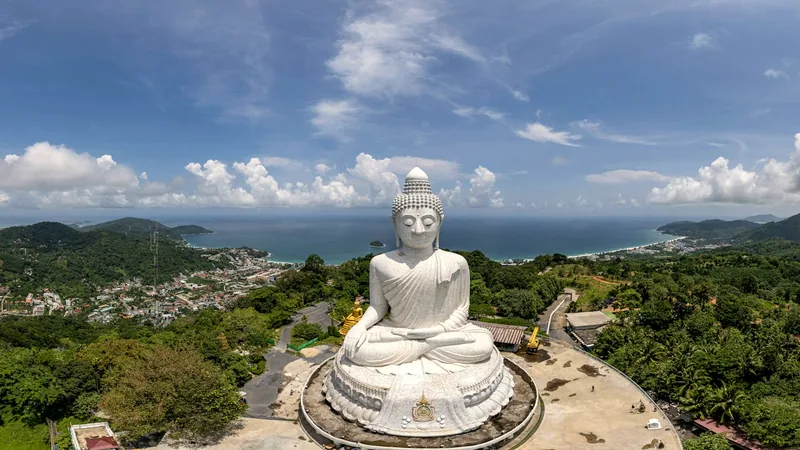
- The Big Buddha viewpoint
Complete your trip
Two things worth sorting before you fly.
- Mobile data in ThailandAn eSIM you set up before you fly, so you are online the moment you land. Via Airalo.(opens in a new tab)
- Things to do in PhuketTours, attraction tickets and airport transfers, booked ahead. Via Klook, in English.(opens in a new tab)
Partner links: we may earn a commission, at no extra cost to you. Affiliate Disclosure
Read next
Tokyo, Japan
Tokyo was a fishing village called Edo until 1603. By 1720 it had more than a million people — decades before London or Paris reached that size — and it has rebuilt itself twice since.